Fomelo: A Handwritten Typeface for Authentic Digital Branding
In the world of web design, where screen real estate is precious and attention spans are fleeting, the choice of typography can make or break a user’s first impression. We often default to safe, neutral sans serif fonts for body text, but when it comes to capturing personality, Fomelo offers a refreshing alternative. As a cute and light handwritten font with a casual vibe, Fomelo is not just another decorative typeface; it is a strategic tool for adding authenticity to any design project. For UI designers and digital product creators, finding a balance between aesthetic charm and functional readability is crucial, and this Script Amp font delivers exactly that.
The Visual Personality of Fomelo
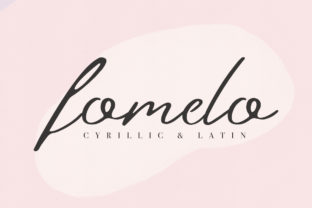
Fomelo brings a distinct character to digital interfaces. Its light weight and casual structure evoke a sense of approachability and warmth, which is increasingly valuable in an online landscape dominated by sterile corporate aesthetics. The font’s handwritten style suggests human touch, making it ideal for brands that want to appear friendly, creative, or personal. Unlike rigid geometric fonts, Fomelo has organic curves and slight irregularities that mimic natural handwriting without sacrificing legibility. This makes it particularly effective for brand-focused web experiences where trust and connection are paramount.
When you integrate Fomelo into your design system, it immediately signals a shift in tone. It moves away from the cold efficiency of standard tech fonts and introduces a layer of emotional resonance. Whether you are designing a landing page for a boutique online store or a portfolio site for a freelance illustrator, Fomelo helps establish a visual hierarchy that feels both modern and intimate. Its versatility allows it to serve as a creative accent that draws the eye without overwhelming the content.
Strategic Applications in Web Design
One of the most common mistakes designers make with display or script fonts is overusing them. Fomelo shines brightest when used sparingly and strategically. Because of its light weight and casual nature, it is best suited for hero titles, section headings, and short phrases rather than long paragraphs of body copy. Using it for large headlines on a course sales page or a coaching website can instantly grab attention and set a welcoming mood before the user even reads the value proposition.
Consider a scenario where you are building a conversion-focused layout for a digital product. Placing Fomelo in the hero section above a call-to-action button can create a nice contrast with a clean, structured sans serif font used for the explanatory text below. This pairing leverages the strengths of both typefaces: Fomelo provides the emotional hook, while the sans serif ensures clarity and scannability. Similarly, in blog graphics or social media banners, Fomelo can be used to highlight key quotes or titles, adding a touch of editorial flair that stands out in crowded feeds.
Enhancing User Engagement and Trust
The psychological impact of typography should not be underestimated. A handwritten-style font like Fomelo can subconsciously signal transparency and honesty, which are critical components of brand trust. When users encounter a site that uses thoughtful, personable typography, they are more likely to perceive the brand as authentic and reliable. This is especially important for small business owners, SaaS founders, and creative entrepreneurs who rely on building a personal connection with their audience.
Furthermore, Fomelo supports consistent online identity across various touchpoints. If your brand kit includes packaging design, email newsletters, and app screens, using Fomelo as a recurring element ties these disparate assets together. It acts as a visual signature that reinforces brand recognition. For example, using Fomelo for logo design accents or watermark overlays on images can create a cohesive look that feels intentional and polished.
Readability and Technical Considerations
While Fomelo is charming, web designers must remain vigilant about readability, particularly on mobile screens and responsive layouts. The light weight of the font means it can sometimes struggle against busy backgrounds or low-contrast color schemes. To maintain optimal legibility, ensure there is sufficient contrast between the text and its background. On dark backgrounds, consider increasing the font size slightly or adjusting the letter spacing to prevent the thin strokes from disappearing. Conversely, on light backgrounds, avoid placing Fomelo over complex image overlays without a solid or semi-transparent backing.
For smaller elements like buttons or navigation menus, Fomelo may become difficult to read if scaled down too much. In such cases, it is better to reserve the font for larger interactive elements or use it only for hover states to add a delightful micro-interaction. When designing for accessibility, always test your typography choices at various zoom levels and on different devices. The goal is to enhance the user experience, not hinder it.
Font Pairing for Modern Typography
To maximize the effectiveness of Fomelo, pair it with a simple, highly readable sans serif font for body text. Fonts like Inter, Roboto, or Open Sans provide a neutral canvas that allows Fomelo to take center stage without competing for attention. Alternatively, for a more editorial digital identity, you might pair Fomelo with a classic serif font. This combination creates a sophisticated yet approachable aesthetic, perfect for lifestyle blogs or high-end e-commerce sites. The key is to let each typeface play to its strengths: one for structure and clarity, the other for personality and flair.
Licensing and Implementation
Before integrating Fomelo into your client projects or commercial products, it is essential to review the licensing terms. Commercial font licensing varies depending on whether you are using the font for websites, digital templates, or print materials. Ensure you have the appropriate license for webfont embedding, which typically involves converting the font files (such as WOFF or WOFF2) for use in CSS. Checking the included styles, alternates, and multilingual support is also wise, as some handwritten fonts may lack extended character sets needed for international audiences.
By carefully selecting and implementing Fomelo, you can elevate your web design projects from generic to memorable. Its ability to inject authenticity and warmth into digital spaces makes it a valuable addition to any designer’s toolkit. Whether you are crafting a landing page for a new app or designing a brand identity for a creative agency, Fomelo offers the perfect blend of style and substance to help your message resonate with users.